Poker Terminology and Slang
Poker is more than a game on the TonyBet website. It’s a cultural phenomenon with its own rich vocabulary. For newcomers, understanding the terminology and slang used in poker circles is essential to fully immerse in the game and build rapport with fellow players. This article explores key poker terms and their meanings, shedding light on the unique language of the poker table.
The Basics: Common Poker Terms
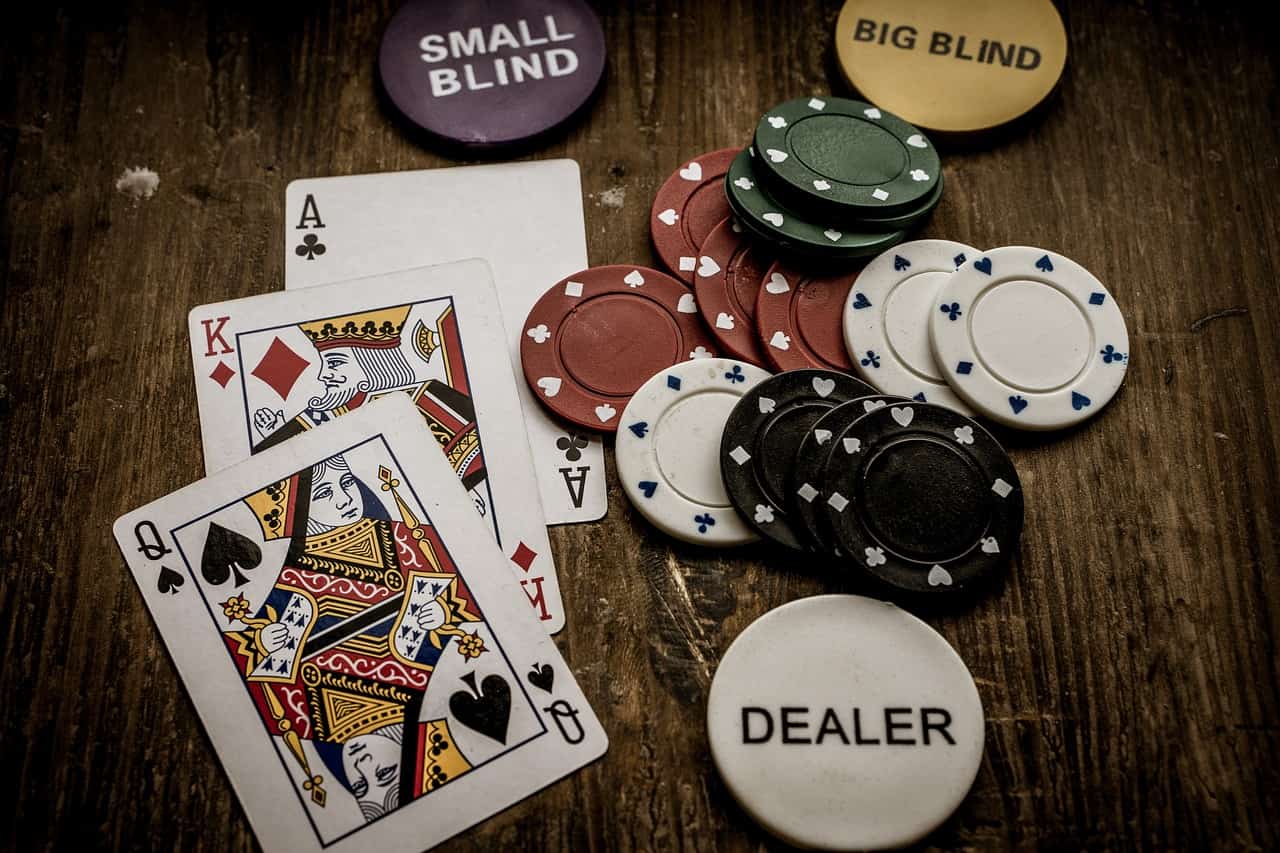
- Blinds: Forced bets placed by players to the left of the dealer to stimulate action. The small blind is half the minimum bet, and the big blind is equal to the minimum bet.
- Ante: A small, mandatory bet that all players must contribute before a hand begins, common in tournament settings.
- Flop, Turn, River: Terms used to describe the community cards dealt in Texas Hold’em and Omaha. The flop refers to the first three cards, the turn is the fourth card, and the river is the fifth.
- Pot: The total amount of chips wagered in a single hand.
- All-In: When a player bets all their remaining chips on a hand.
- Call, Raise, Fold: Key actions players can take during a hand. To call is to match the current bet, to raise is to increase it, and to fold is to forfeit the hand.
The Lingo: Slang and Colorful Expressions
- Fish: A term for a weak or inexperienced player who often loses money.
- Shark: The opposite of a fish, a shark is a highly skilled player who preys on weaker opponents.
- Donkey (Donk): A derogatory term for a player who makes poor decisions, often synonymous with “fish.”
- Bad Beat: When a strong hand loses to an even stronger one due to unexpected community cards.
- Nut Hand: The best possible hand given the community cards. For example, in a board of A♥ K♦ Q♠ J♣ 10♥, the nut hand is an ace-high straight flush (A♥ K♥ Q♥ J♥ 10♥).
- Drawing Dead: A situation where a player has no chance of winning the hand, regardless of future cards.
- Tilt: A state of emotional frustration causing a player to make reckless decisions.
- Bubble: The point in a tournament where only one more player needs to be eliminated before everyone remaining wins a prize. The bubble boy is the unfortunate player eliminated just before the payout.
- Slow Play: A strategy where a player with a strong hand bets weakly to lure opponents into a larger pot.
- Cooler: A scenario where two strong hands collide, and one inevitably loses. For example, one player has a full house, but another has a higher full house.
Table Talk: Building Camaraderie
Understanding poker slang isn’t just about deciphering what’s happening during a game; it’s also a way to connect with other players. Conversations at the table often include casual phrases like “What’s your stack?” (referring to chip count) or “Nice hand” (a compliment after losing to a well-played hand). Such exchanges foster a sense of community and mutual respect.
Tips for Learning Poker Lingo
- Observe and Listen: Pay attention to seasoned players to pick up commonly used terms.
- Practice Online: Many online poker platforms include chat features where players casually use slang.
- Join Forums and Watch Streams: Poker forums and live-streamed games are excellent resources for learning the language of poker.
- Ask Questions: Poker veterans are often happy to explain terms to newer players, so don’t hesitate to ask.
Pokesh
Poker terminology and slang are integral to the game’s culture. By understanding and using these terms, players not only improve their gameplay but also enhance their social interactions at the table. Whether you’re a casual player or aspiring professional, learning the language of poker can deepen your appreciation for this timeless game while fostering connections with fellow enthusiasts. players who embrace these innovations, the possibilities are endless.